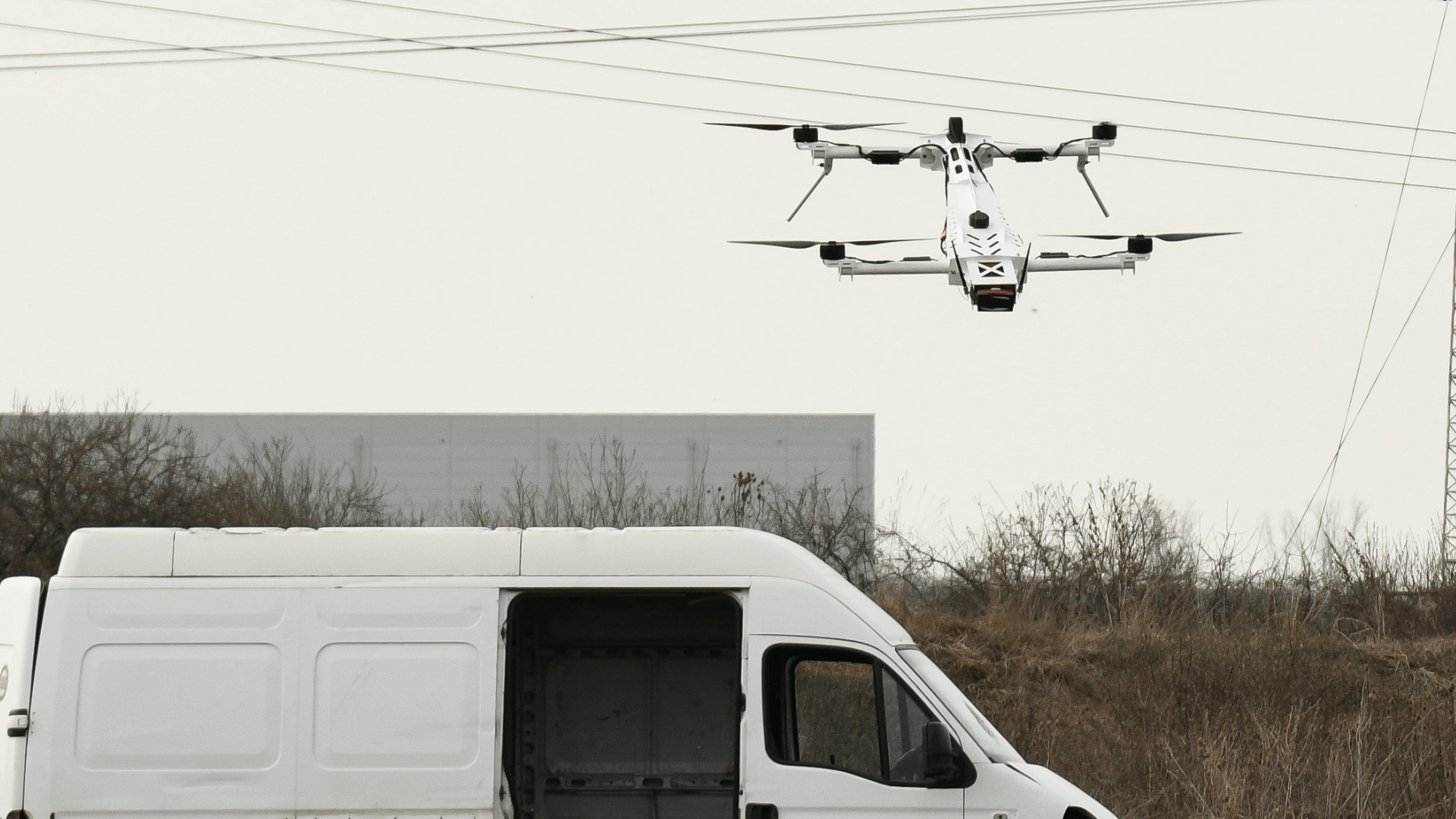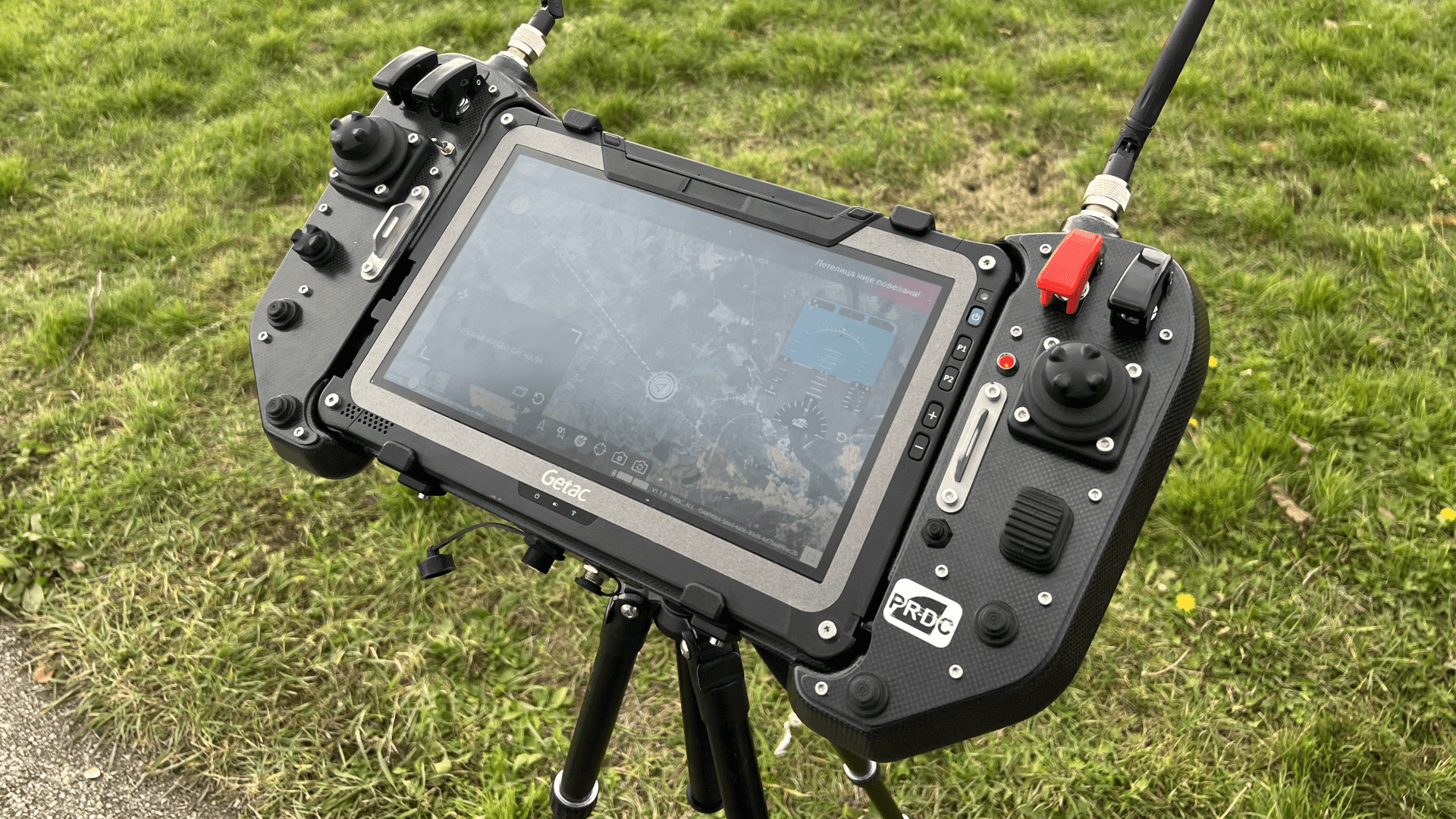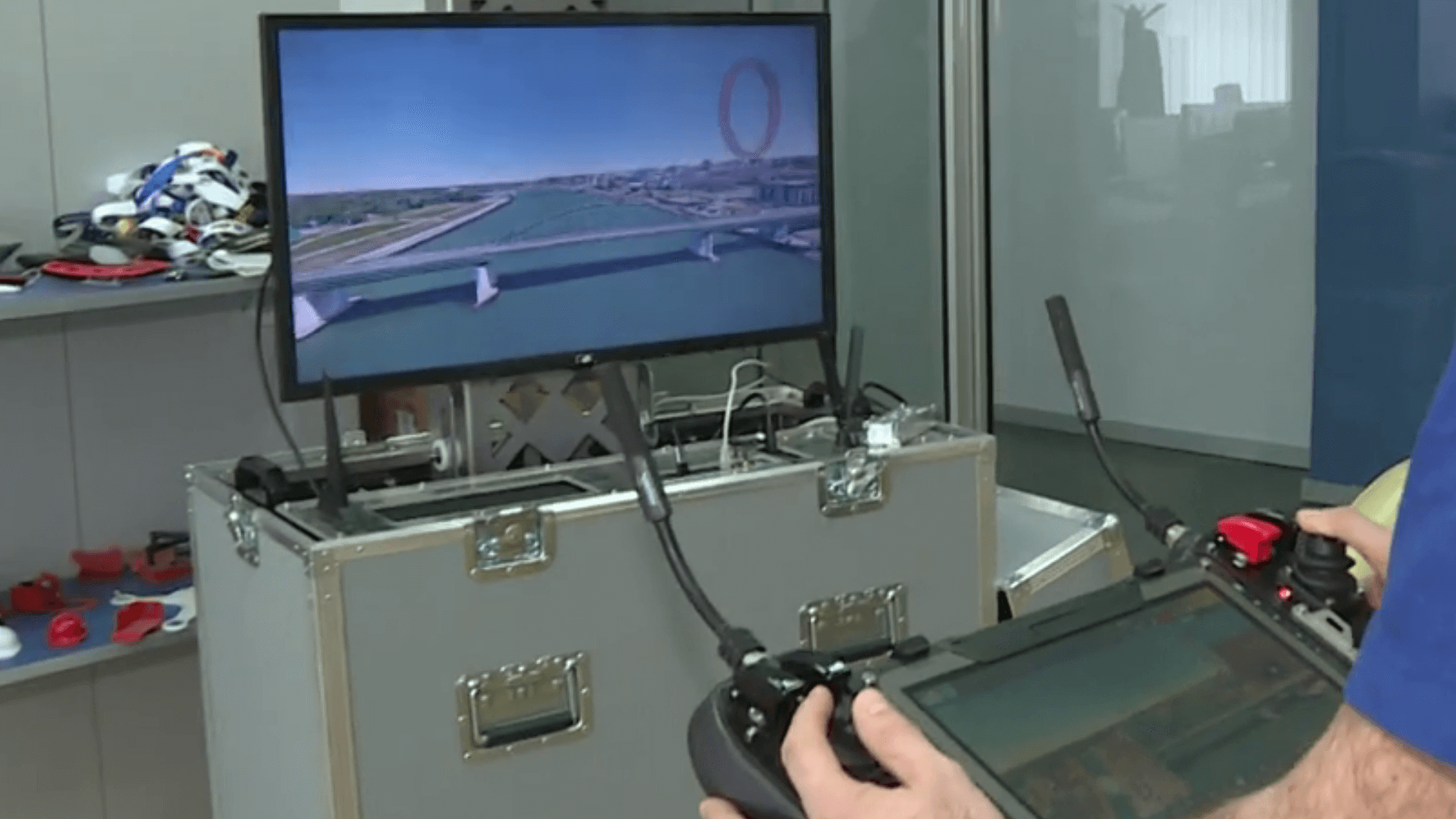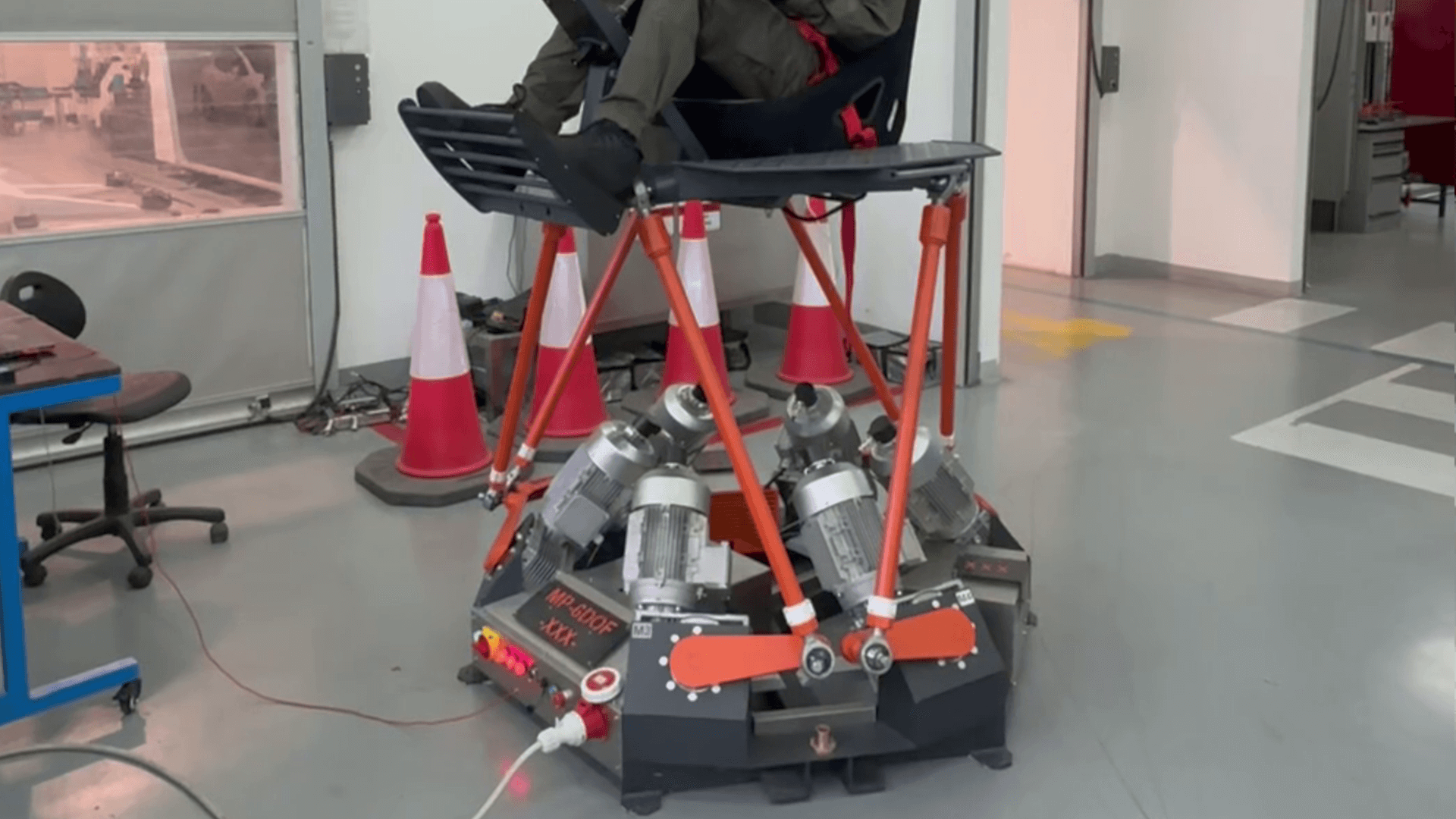
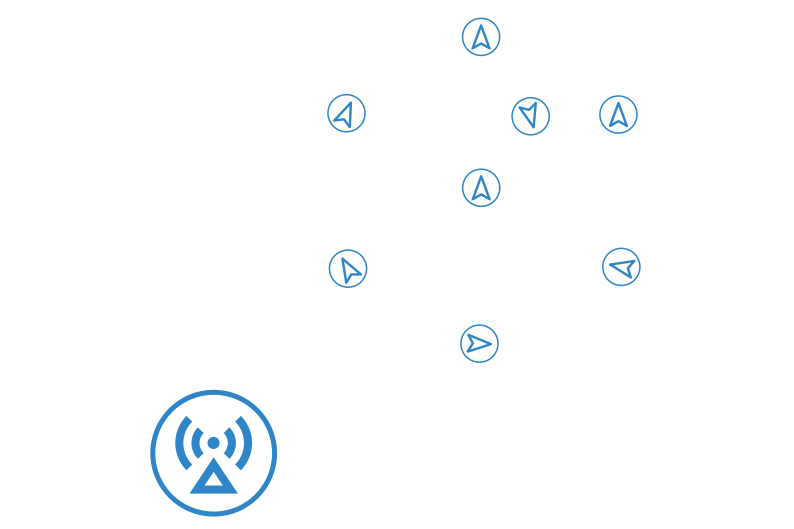
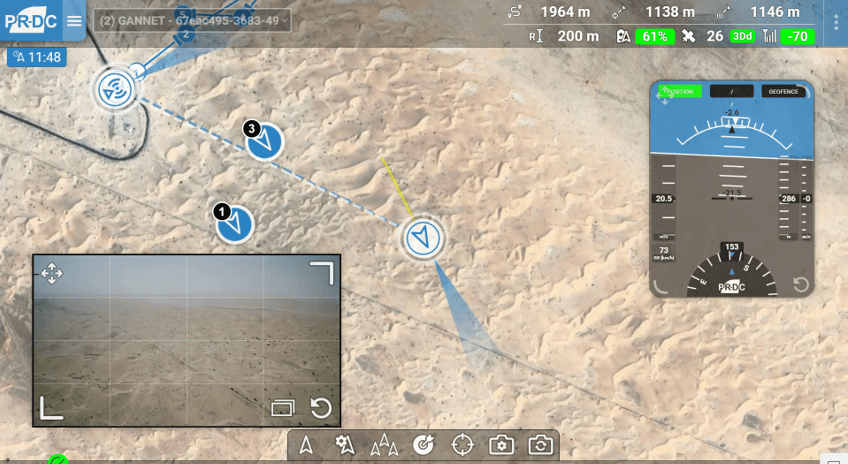
Together with the FlightControl application, target drone can become part of a powerful swarm simulation system.
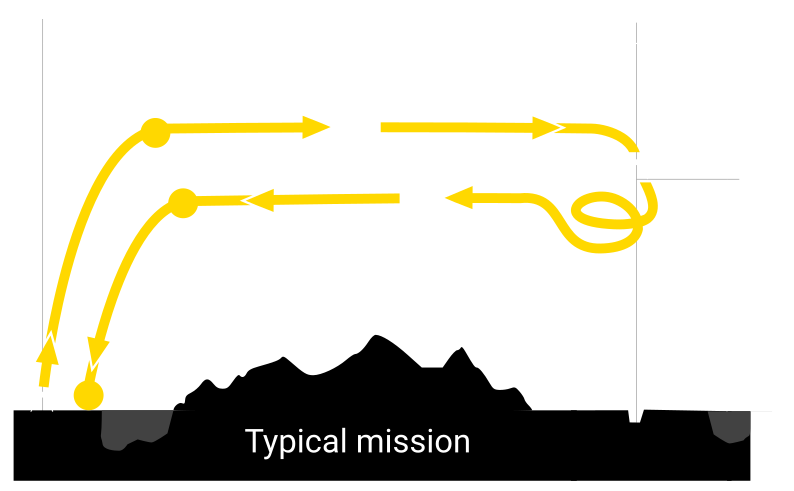

Fully electric, one-button operation.

Bigger, heavier, but more rigid and faster.

Detection, tracking, targeting, and shooting training.

Cost-effective as decoy.

No runway, easy to use and recover.

Multidirectional flight capabilities.

Compact size for transport.

Unmatched payload capability.
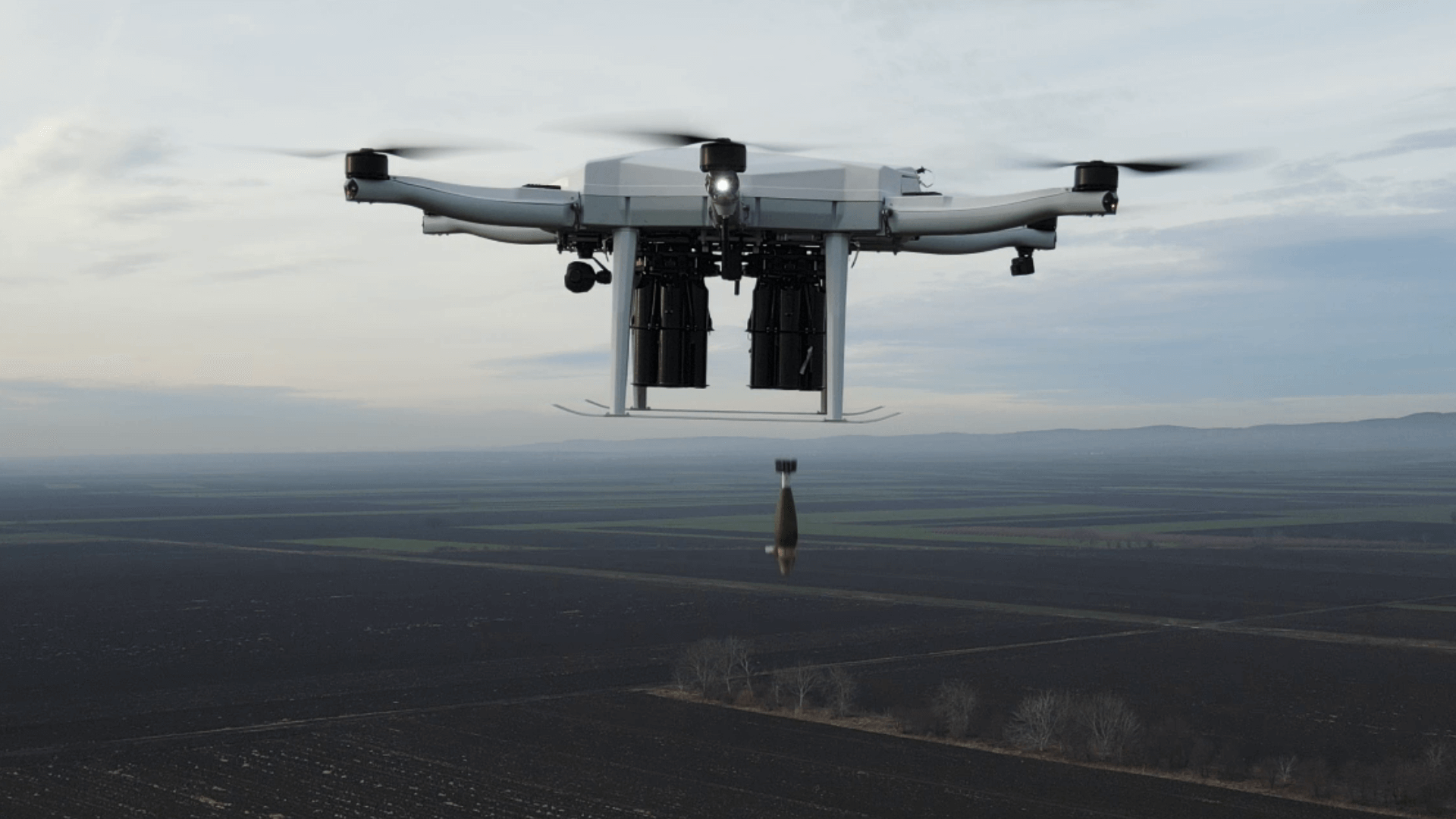
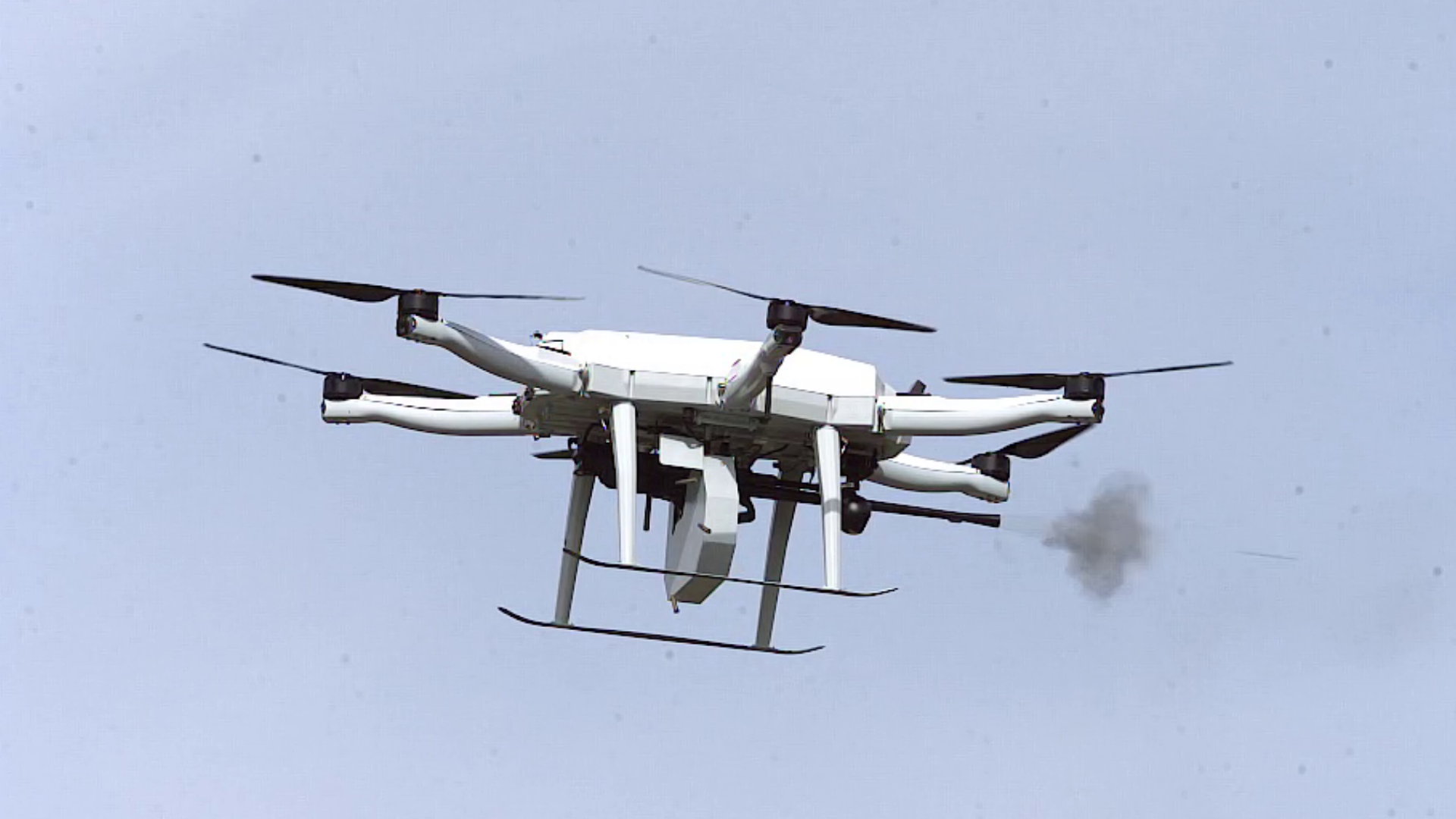
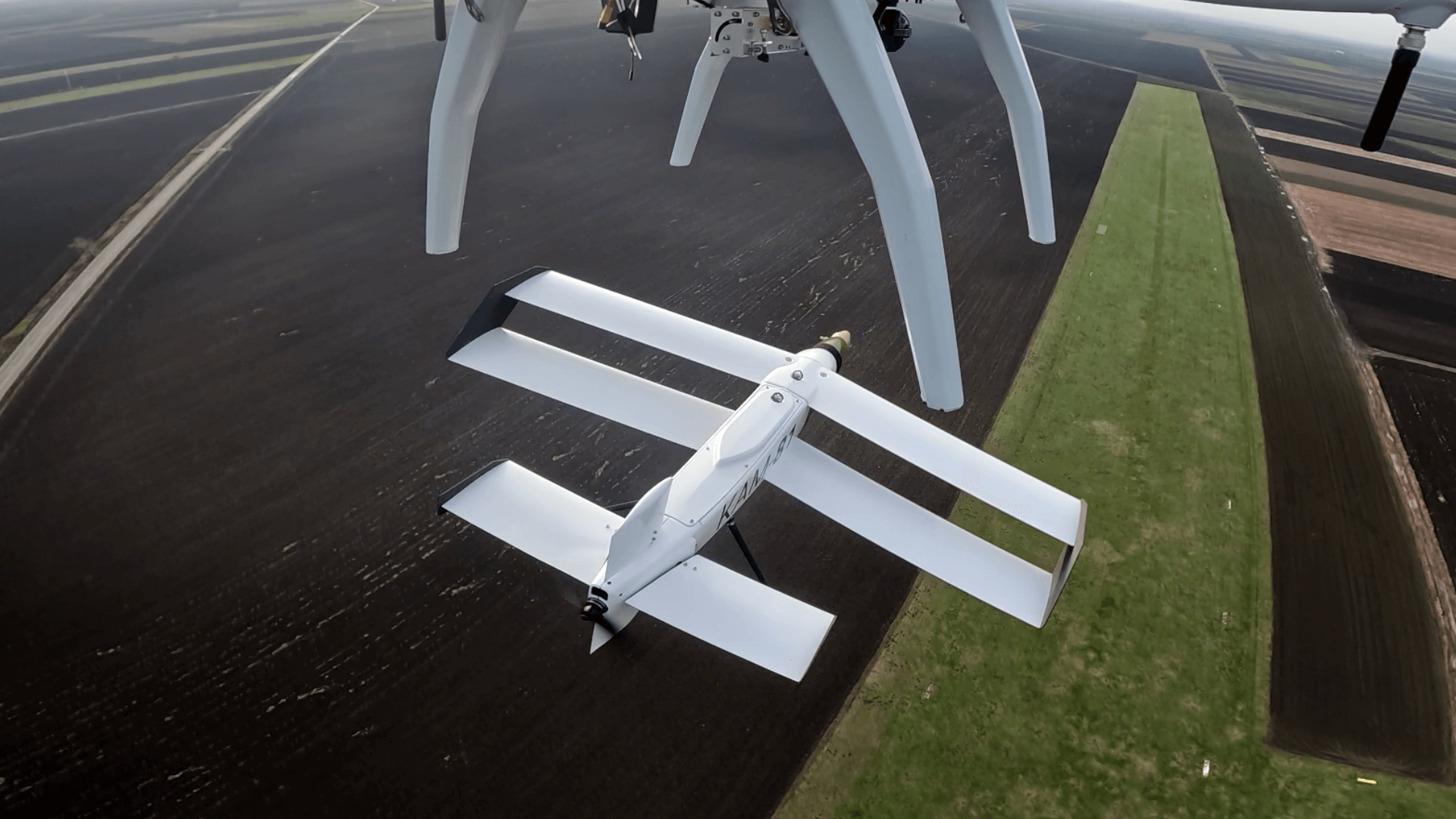
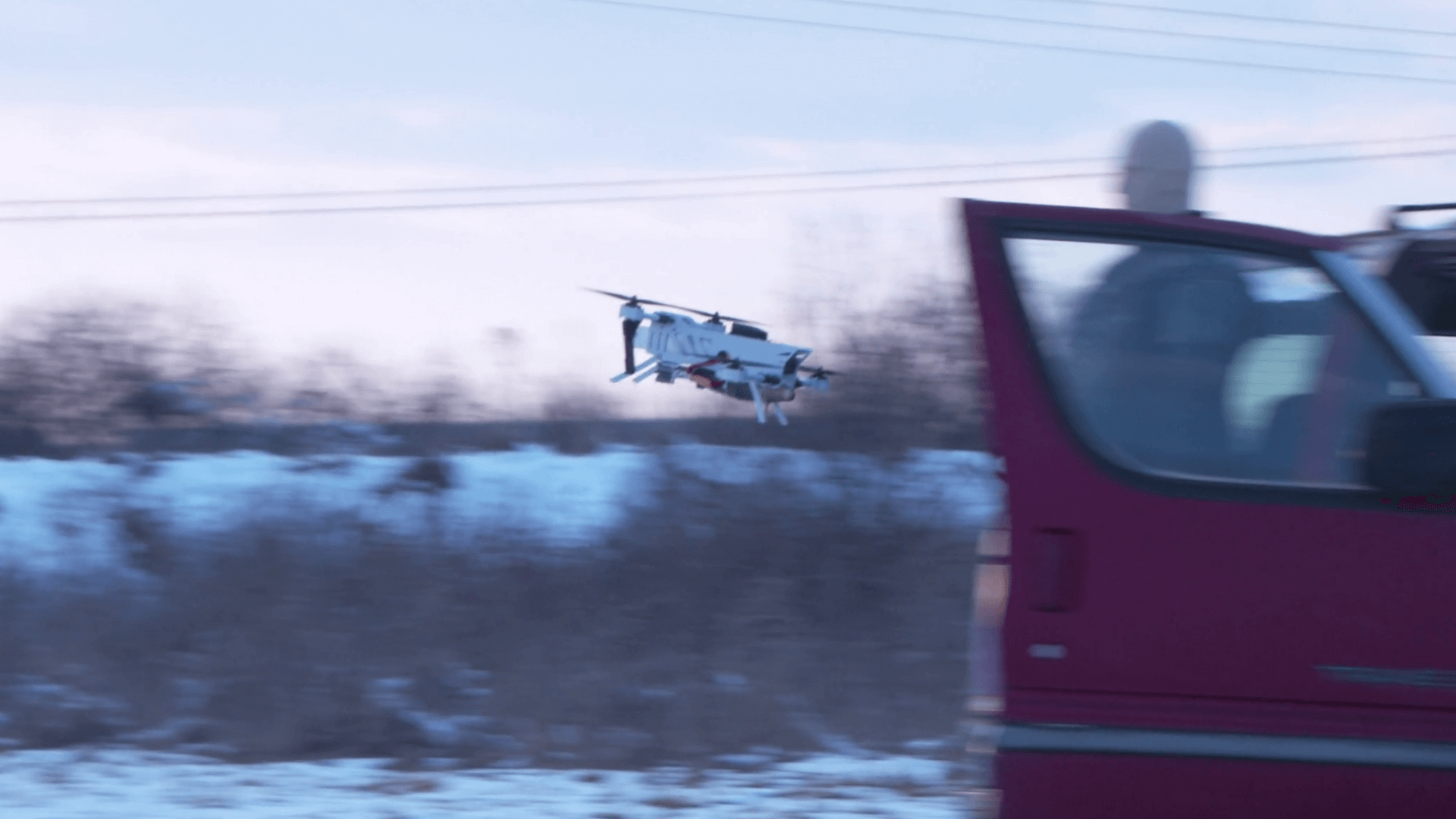
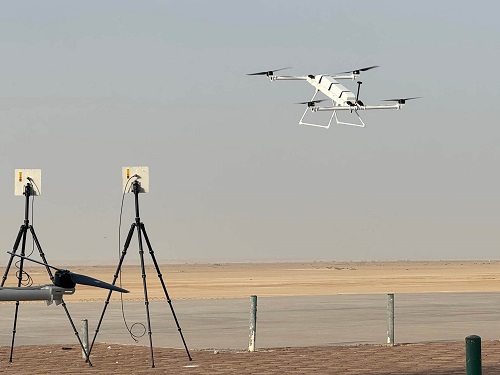
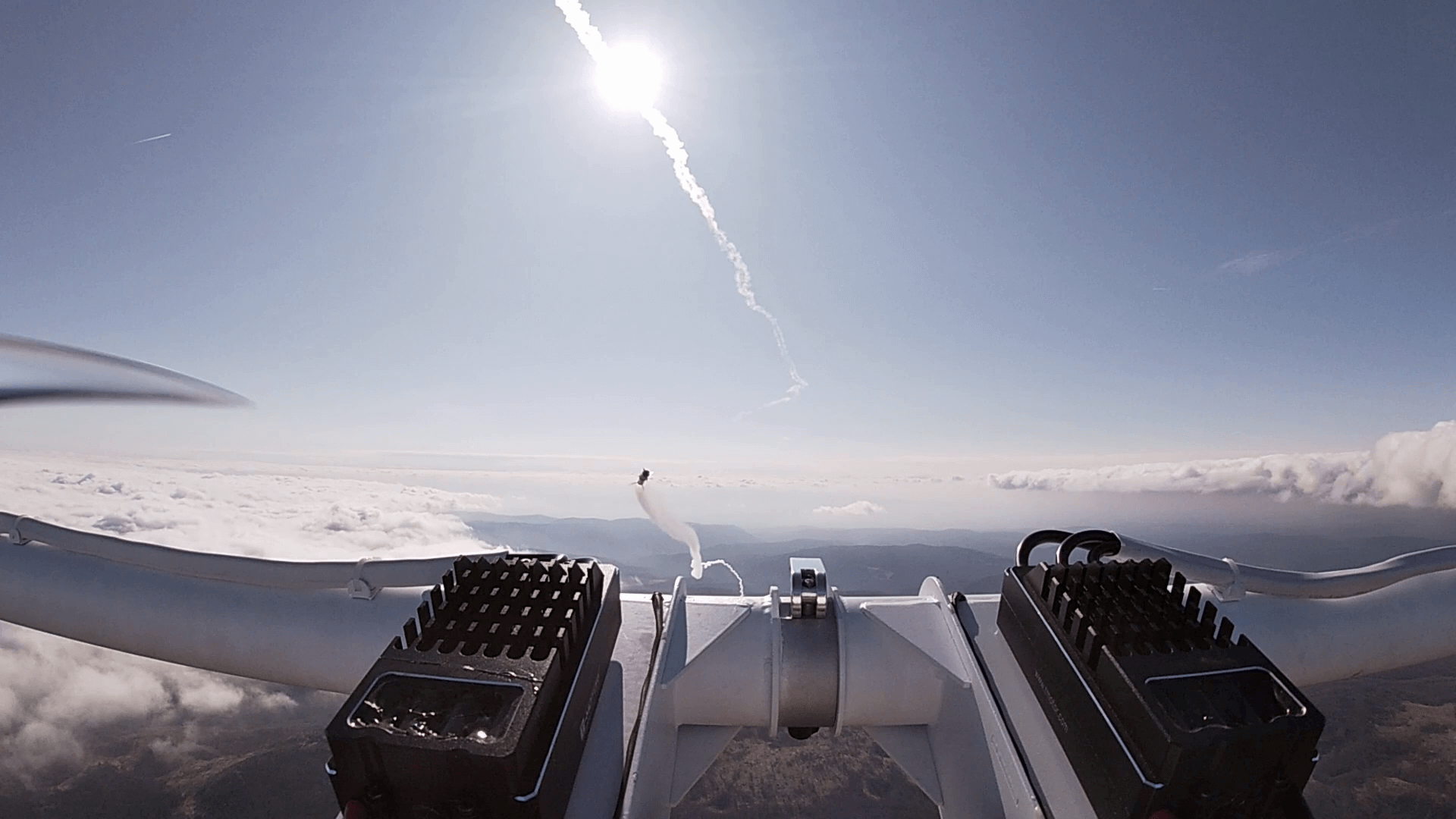
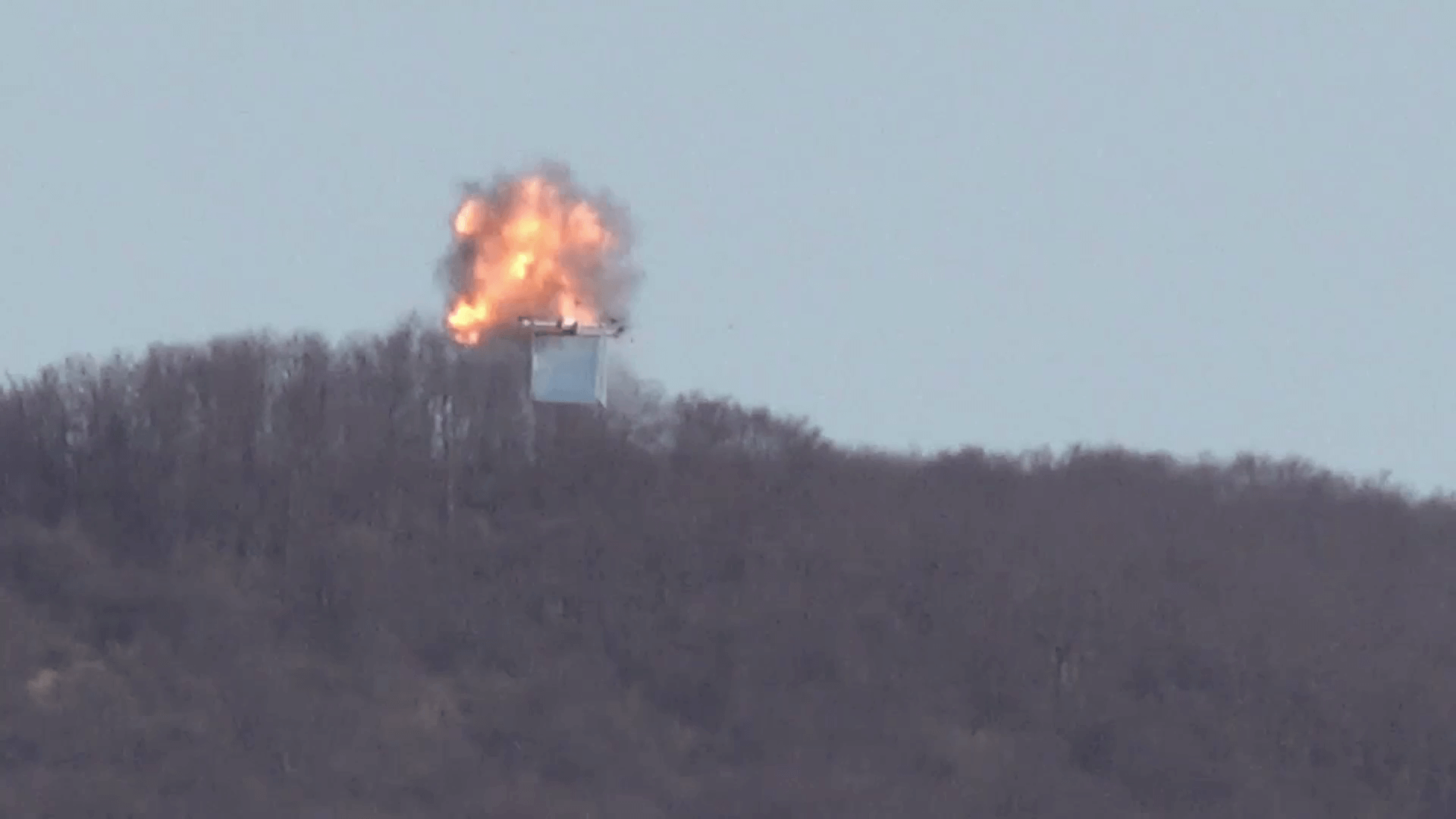
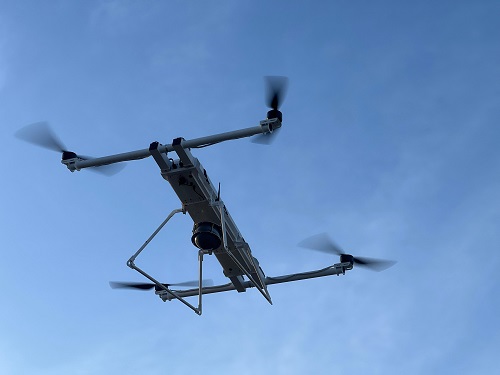
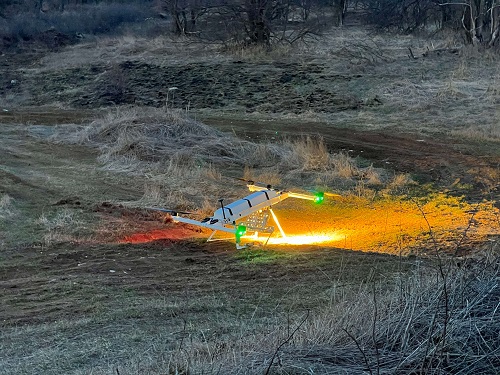
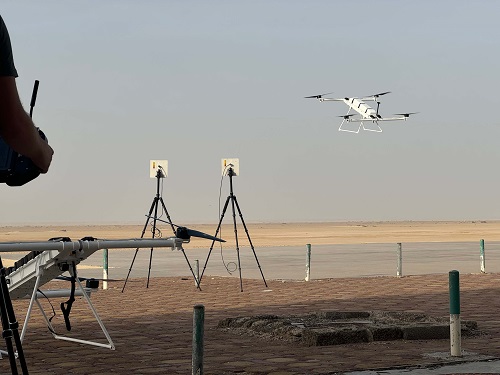
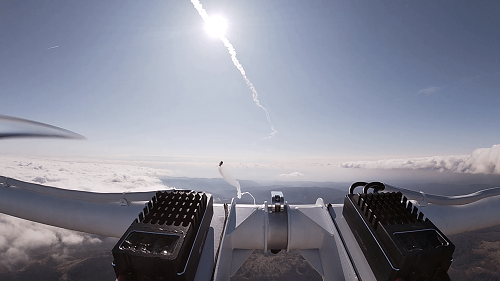
Drones have become a fast-growing battlefield threat: inexpensive, easy to deploy, and highly adaptable. They fly low and close to terrain, can appear with little warning, and cover roles from one-way attack to reconnaissance and payload delivery, making realistic training essential. Training targets support validation and crew training across radar cueing, EO/IR day/night tracking, RF/acoustic warning, electronic warfare effects, and final engagement with guns, rockets, or interceptor solutions.
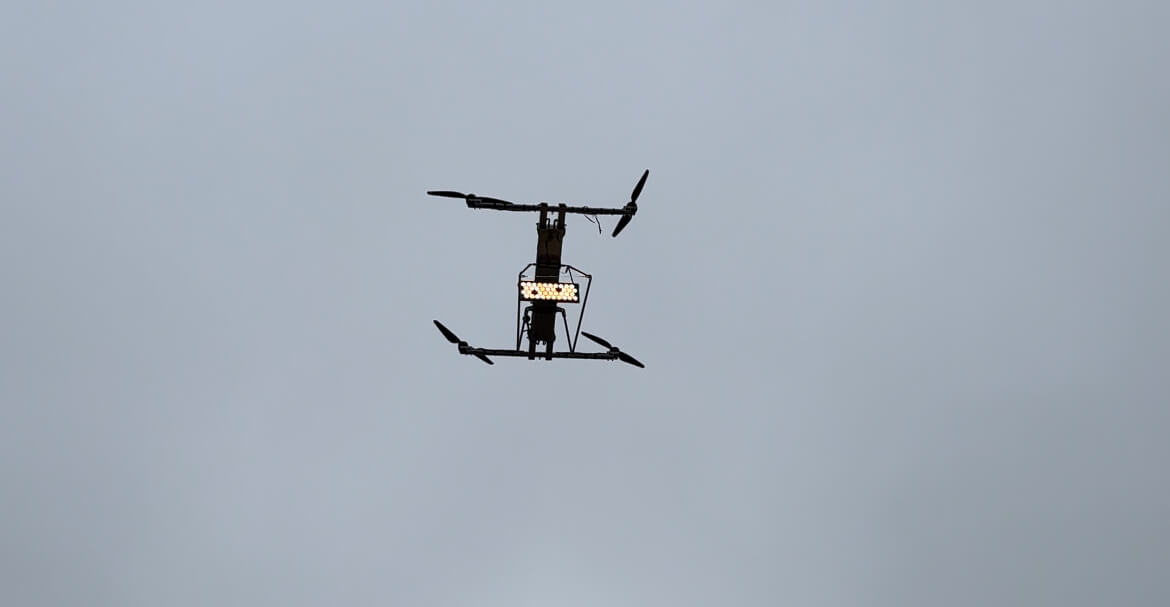
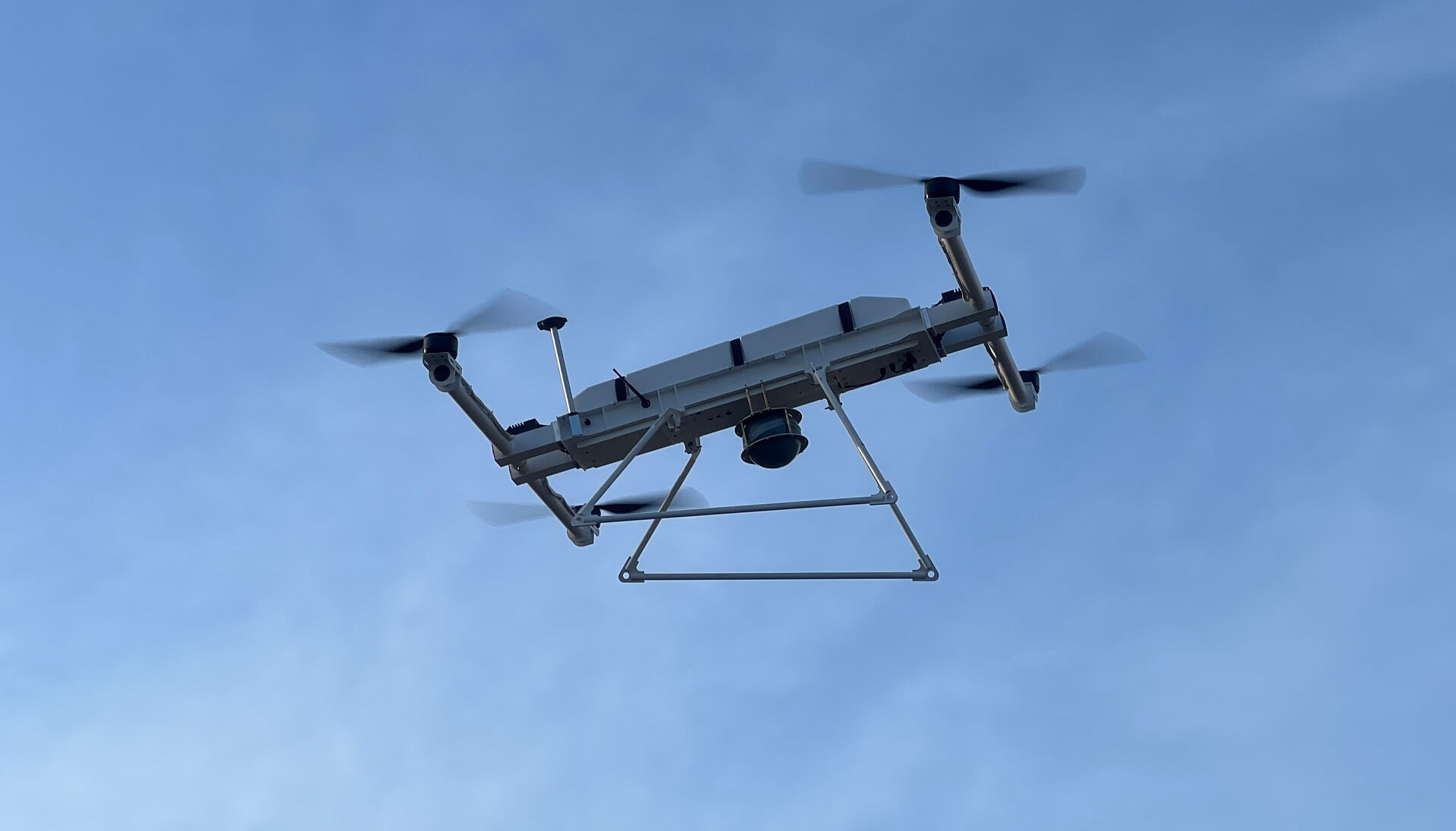
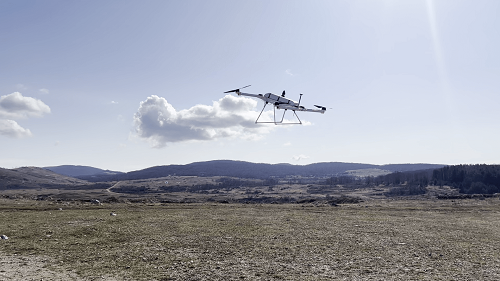
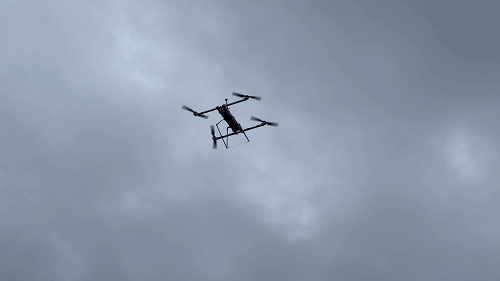
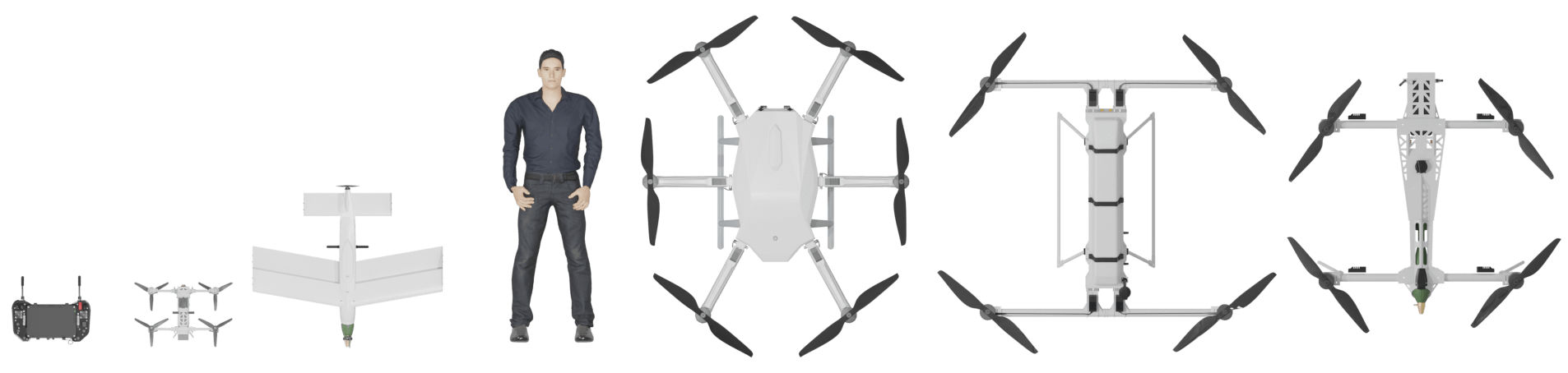
New target variants expand the offer to 32-inch, 20-inch (mini), 10-inch (micro), and 5-inch (nano) classes, replicating everything from heavy multirotor “bombers” to small FPV drones.
Low-altitude, high-speed profiles with minimal reaction time.
FPV threat profiles plus scouting and target-marking scenarios.
Persistent ISR, extended-range missions, and coordinated strike simulation.
Large multirotor threat with higher payload and longer loiter.


This page is still in preparation, if you are interested you can contact us or sign up for our newsletter by submitting the following form.